
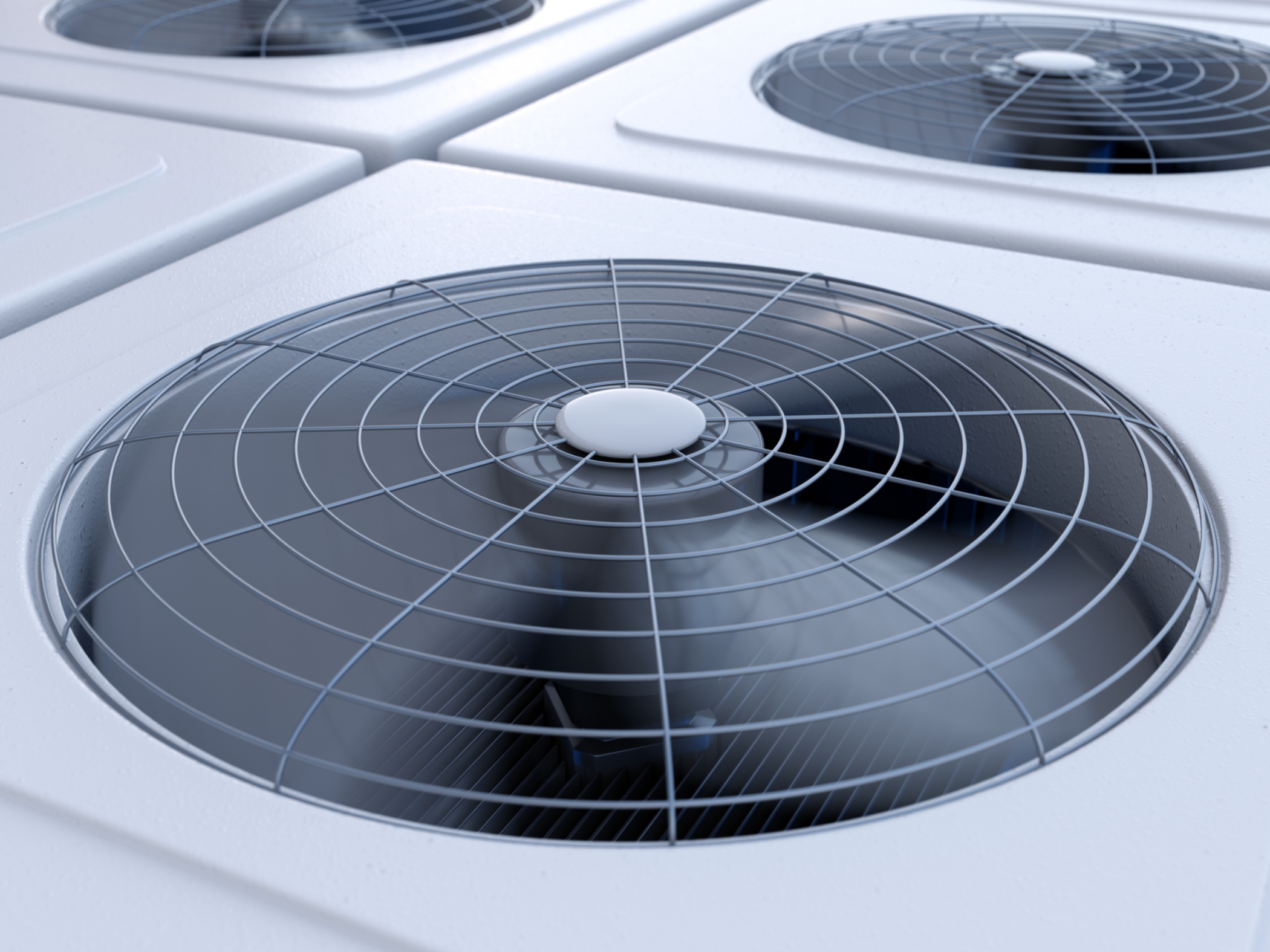
Fan systems may be critical for indoor comfort, but they still waste energy when they work harder than necessary. That energy waste flows right onto your utility bills. Although there are a number of ways to improve fan system performance, variable speed drives (VSDs) put a different spin on energy savings. They adjust fan speed to match only what's needed.
How VSDs work
Motors need to get out more. They typically operate at only one speed. However, the equipment they operate (such as fans in an HVAC system) typically run at variable speeds. That's where VSDs come in.
VSDs convert alternating current (AC) to direct current (DC) and then back to AC again at a frequency that drives the motor at the desired speed. Although this makes the motor run slightly less efficiently, the significant reduction in power draw at lower speeds decreases overall energy use.
VSDs are ideal for facilities with long operating hours and frequently changing load requirements. VSDs offer the greatest opportunity for energy savings when driving these fluctuating loads because:
- Horsepower varies as the cube of speed.
- Torque varies as the square of speed.
In other words, if you reduce motor speed by 20%, you can reduce motor energy use by up to 50%.
An odd couple
In addition to energy savings, VSDs minimize motor wear and tear, reducing maintenance costs and increasing equipment lifespan.
Despite these benefits, VSDs and motors are, in many ways, an odd pairing. VSDs are motionless and adjustable and are the product of modern engineering. Motors, on the other hand, are rotating devices, not easily controlled and nearly two centuries in the making. A number of compatibility issues must be evaluated and resolved before the two can work together successfully:
- Ratings. VSDs are often matched based on horsepower, but this is only an approximate guide and may result in trip outs due to overload and other problems. Select VSDs based on ratings such as input and output voltage, amps, phase, speed (RPM) and frequency (Hz).
- Power quality. In some cases, VSDs cause harmonic distortion in a motor's electric currents, which can result in excessive heating. Filters, reactors, multi-pulse drives and other solutions are available to reduce harmonic distortion. Perform a harmonics analysis of the fan system to select the right option.
- Ventilation. Conventional motors are designed with a fan attached to the rotor shaft. The fan cools the motor when it runs at full speed. Slowing down a motor with a VSD decreases airflow, which can cause overheating. An auxiliary cooling fan or blower may be required.
A few things to consider
VSDs work best at partial load (less than 100%). If you find your operation frequently needs full throttle operation, keep in mind that although VSDs only use slightly less than 15% the energy at 50% speed, they use 103-104% at full speed since the VSD is primarily electronics to step down the velocity but still draws power when not needed.
Their first cost with a motor is usually more than the motor itself, but they quickly make up the difference in savings at lower speed operation.
VSDs can generate harmonic distortion in a circuit, so make sure you have a method of mitigating this before full operation.
Inverter-rated motors work best with VSDs. Work with a qualified electrician or electrical engineer to ensure variable frequency drives are properly selected and installed.